Adhesives That Hold Up: Industrial-Strength Options for Wood, Metal & More
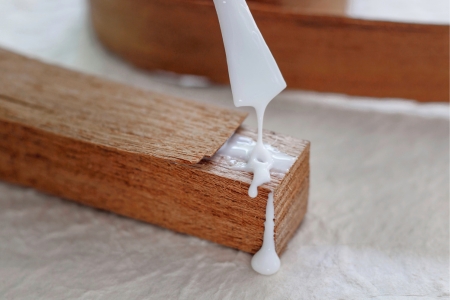
Not all glues are created equal—especially when you’re building products, fixtures, or assemblies that need to last. If you’re bonding heavy materials like wood, metal, or composites, the adhesive you choose plays a major role in long-term strength, safety, and performance.
This guide highlights industrial-grade options used by contractors, manufacturers, and production teams who need bonds that can handle more than just a shipping box.
Polyurethane Reactive (PUR)
Best for: Wood bonding, engineered products, moisture resistance PUR adhesives chemically react with moisture in the air or substrate, creating a tough, flexible bond. They’re used in cabinetry, furniture, door and window assembly, and architectural panels.
Good to know: Henkel’s Technomelt PUR adhesives are especially popular for structural bonding, with high strength and temperature resistance.
Epoxy Adhesives
Best for: Metal bonding, tools, fixtures, parts under stress Epoxies are known for durability and excellent adhesion to metal, glass, and composites. They cure chemically, often requiring two parts (resin + hardener) and provide exceptional resistance to heat, water, and chemicals.
Good to know: Epoxies are ideal for both permanent bonds and repairs in heavy-duty applications.
Hot Melt Adhesives (High-Performance Grades)
Best for: Assembly lines, wood joints, panel construction Hot melts used in wood applications aren’t just for boxes—they’re strong enough for cabinetry, displays, and general millwork. They set fast and can bond wood, laminate, foam, and even certain metals with the right formulation.
Good to know: Henkel’s hot melts for woodworking and product assembly are formulated for fast-setting and clean application—important for line efficiency
Structural Adhesives
Best for: Load-bearing assemblies, mixed materials These adhesives are engineered for parts that endure impact, vibration, and mechanical loads. They’re commonly used in everything from heavy machinery to RVs and trailers.
Good to know: Structural adhesives often replace welding or screws—saving weight and allowing for cleaner design.
Where These Adhesives Show Up in the Real World
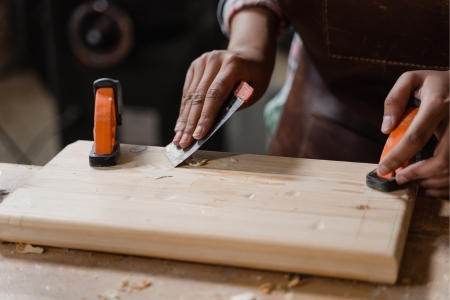
Woodworking shops bonding hardwood panels or engineered flooring
Metal fabricators assembling lightweight but strong aluminum parts
Fixture builders working on displays, retail setups, or furniture
OEM manufacturers in construction, automotive, and equipment sectors
Before choosing an adhesive, think beyond the bond:
Will it face water or temperature swings?
Are you clamping or using fast assembly methods?
Will the bond need to flex, or stay rigid?
What are your safety and clean-up requirements?
For big jobs, high strength starts with the right adhesive system. A quick stick won’t cut it—go with a formula designed to hold strong over time.